News

Why Is the 800kVA 10kV SCB Electrical Power Distribution Epoxy Resin Cast Dry Type Transformer the Ideal Choice for Modern Power Distribution

2026-07-17 0 Leave me a message

Lugao Power supplies the 800kva 10kv SCB Electrical Power Distribution Epoxy Resin Cast Dry Type Transformer for industrial, commercial, and public infrastructure projects requiring reliable, energy-efficient, and environmentally friendly power distribution. Designed with epoxy resin cast insulation, this transformer delivers outstanding fire resistance, low maintenance requirements, and stable electrical performance even under demanding operating conditions.

Choosing the right transformer directly affects the reliability, efficiency, and long-term operating costs of any electrical distribution system. Among today's dry-type transformer technologies, the 800kVA 10kV SCB epoxy resin cast transformer has become one of the most trusted solutions for factories, commercial buildings, renewable energy projects, hospitals, transportation systems, and data centers.

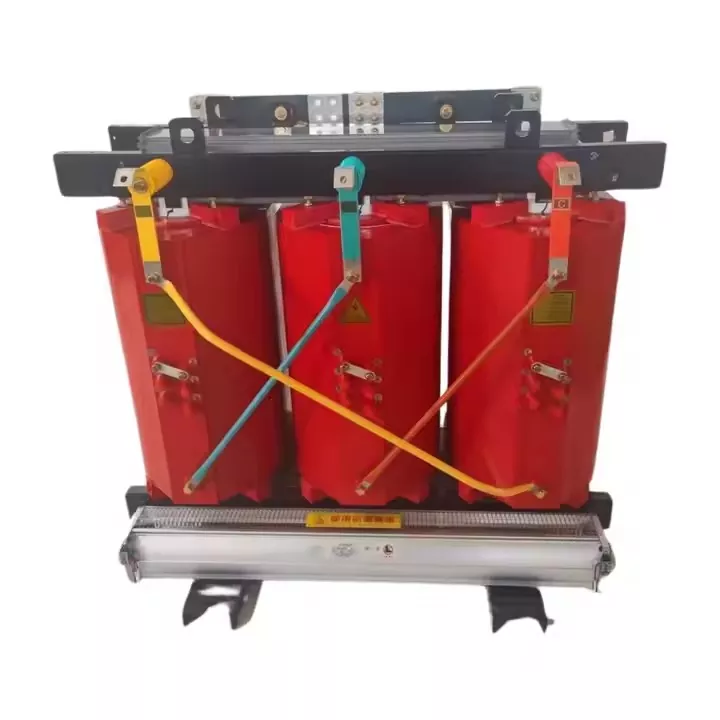
800kva 10kv SCB Electrical Power Distribution Epoxy Resin Cast Dry Type Transformer

Contents


What Is an 800kVA 10kV SCB Epoxy Resin Cast Dry Type Transformer?

An 800kVA 10kV SCB Electrical Power Distribution Epoxy Resin Cast Dry Type Transformer is a medium-voltage distribution transformer designed to convert electrical energy from a 10kV primary voltage into a lower secondary voltage suitable for commercial and industrial power systems. Unlike traditional oil-filled transformers, this model uses vacuum-cast epoxy resin to encapsulate its windings, eliminating insulating oil while significantly improving operational safety.

The "SCB" designation generally refers to cast resin dry-type transformers that utilize advanced vacuum pressure casting technology. During manufacturing, the high-voltage windings are encapsulated in epoxy resin under vacuum conditions, effectively preventing moisture penetration, dust contamination, and partial discharge. This construction greatly extends service life while ensuring excellent dielectric performance.

Because there is no insulating oil, dry-type transformers substantially reduce environmental risks such as oil leakage, fire hazards, and groundwater contamination. This makes them particularly suitable for indoor installations where safety regulations are strict.

Today, these transformers are widely deployed in high-rise buildings, airports, shopping malls, hospitals, manufacturing facilities, renewable energy stations, subway systems, educational campuses, and modern smart grids where reliability and safety are critical priorities.


Major Advantages of Epoxy Resin Cast Dry Type Transformers

1. Outstanding Fire Safety

One of the biggest reasons engineers prefer epoxy resin cast transformers is their exceptional fire resistance. Since no combustible insulating oil is used, the transformer dramatically reduces fire risks. The flame-retardant epoxy insulation is self-extinguishing and complies with stringent international fire safety requirements, making it an ideal solution for densely populated buildings.

2. Excellent Moisture Resistance

The fully encapsulated windings effectively isolate electrical components from moisture, condensation, and airborne contaminants. Even in humid coastal environments or underground substations, insulation performance remains highly stable.

3. Minimal Maintenance

Oil-filled transformers require periodic oil testing, filtration, leakage inspections, and environmental monitoring. Dry-type transformers eliminate these maintenance tasks entirely. Routine maintenance usually consists of visual inspections, cleaning ventilation passages, and checking electrical connections, significantly reducing lifetime operating costs.

4. High Mechanical Strength

Vacuum-cast epoxy resin provides excellent mechanical rigidity. During short-circuit conditions, the windings resist deformation caused by strong electromagnetic forces, improving operational reliability and reducing the possibility of mechanical failure.

5. Energy Efficiency

Modern SCB transformers utilize premium silicon steel cores and optimized winding designs to minimize no-load losses and load losses. Lower energy consumption translates into reduced operating expenses throughout the transformer's service life, making it an attractive investment for long-term infrastructure projects.

6. Environmentally Friendly Design

Without transformer oil, there is no risk of oil leakage or hazardous waste disposal. The environmentally responsible design aligns with modern sustainability initiatives while helping facilities meet increasingly strict environmental regulations.


Oil-Immersed vs Dry Type Transformer Comparison

Selecting between oil-filled and dry-type transformers depends on installation location, maintenance capabilities, safety requirements, and lifecycle costs. The following comparison highlights the major differences.

Feature SCB Epoxy Resin Dry Type Oil-Immersed Transformer
Cooling Medium Air Cooling Mineral Oil
Fire Safety Excellent Requires Fire Protection
Environmental Impact No Oil Pollution Potential Oil Leakage
Routine Maintenance Low Regular Oil Inspection
Indoor Installation Highly Suitable Additional Protection Required
Operating Cost Lower Long-Term Cost Higher Maintenance Cost

Although oil-immersed transformers remain common in outdoor substations, epoxy resin cast dry-type transformers have become the preferred choice wherever fire safety, environmental protection, and reduced maintenance are priorities.


Typical Industry Applications

The 800kVA 10kV SCB Electrical Power Distribution Epoxy Resin Cast Dry Type Transformer is designed to provide dependable power conversion across a wide range of industries. Its compact structure, low maintenance requirements, and excellent fire resistance make it particularly suitable for indoor installations where operational safety and environmental protection are top priorities.

Thanks to its stable electrical performance and durable epoxy resin insulation, this transformer can operate continuously under demanding load conditions while maintaining high efficiency and reliability throughout its service life.

  • Commercial Buildings – Shopping malls, office towers, hotels, and convention centers require stable power distribution with minimal maintenance.
  • Industrial Manufacturing – Production plants, automation workshops, and heavy industrial facilities depend on reliable voltage conversion to ensure uninterrupted manufacturing operations.
  • Hospitals and Medical Centers – Sensitive medical equipment demands consistent voltage quality and high operational reliability.
  • Educational Institutions – Universities, research laboratories, and schools benefit from safe indoor transformer installations.
  • Renewable Energy Systems – Solar farms, wind power stations, and battery energy storage systems utilize dry-type transformers for clean energy integration.
  • Transportation Infrastructure – Airports, railway stations, metro systems, and tunnels require transformers with superior fire safety characteristics.
  • Data Centers – Critical IT infrastructure relies on highly efficient power distribution with minimal downtime.
  • Residential Complexes – High-rise apartment buildings increasingly adopt dry-type transformers because of their low noise and environmentally friendly operation.

As industries continue emphasizing sustainability and electrical safety, epoxy resin cast transformers have become the preferred solution for many modern power distribution projects worldwide.


Typical Technical Specifications

While technical configurations may vary depending on project requirements, the following specifications represent a typical configuration for an 800kVA 10kV SCB Electrical Power Distribution Epoxy Resin Cast Dry Type Transformer.

Parameter Typical Value
Rated Capacity 800 kVA
Primary Voltage 10 kV
Secondary Voltage 0.4 kV or Customized
Frequency 50Hz / 60Hz
Cooling Method AN / AF Air Cooling
Insulation Class Class F or Class H
Protection Level IP20 / IP23 (Optional)
Temperature Rise According to IEC Standards
Tap Changer Off-load or On-load (Optional)
Applicable Standards IEC, GB, ANSI (Optional)

Many manufacturers also provide customized voltage ratios, enclosure protection grades, cooling configurations, monitoring systems, and intelligent control solutions to accommodate various industrial applications.


How to Choose the Right Transformer

Selecting a transformer involves much more than simply matching the required power rating. Engineers and procurement professionals should evaluate several technical and operational factors before making a purchasing decision.

Determine the Required Capacity

Calculate the expected connected load, future expansion requirements, and load diversity to determine whether an 800kVA transformer offers sufficient capacity without unnecessary oversizing.

Confirm Voltage Compatibility

Verify that the primary and secondary voltages match the local electrical distribution network as well as the equipment connected downstream.

Evaluate Installation Environment

Indoor installations often benefit from dry-type transformers because of their superior fire safety, while outdoor installations may require weatherproof enclosures or additional protection against dust and moisture.

Review Energy Efficiency

High-efficiency transformers reduce electrical losses throughout their operational lifespan. Although premium efficiency models may have a higher initial purchase price, they often deliver significant long-term energy savings.

Check Safety Certifications

Choose products manufactured in compliance with recognized international standards and quality management systems. Reliable certifications demonstrate manufacturing consistency, product safety, and long-term performance.

Consider Intelligent Monitoring

Many modern transformers can be equipped with temperature monitoring systems, remote communication modules, fault alarms, and digital control interfaces that support predictive maintenance and smart grid integration.


Installation and Maintenance Tips

Although dry-type transformers require considerably less maintenance than oil-filled models, following proper installation and inspection procedures helps maximize service life and operational reliability.

  • Ensure adequate ventilation around the transformer to maintain efficient air cooling.
  • Install the transformer on a stable, vibration-resistant foundation.
  • Maintain recommended safety clearances from surrounding equipment.
  • Inspect cable connections regularly to prevent loose terminals.
  • Clean accumulated dust from ventilation channels using appropriate non-conductive equipment.
  • Monitor operating temperatures during heavy load conditions.
  • Perform periodic insulation resistance testing according to maintenance schedules.
  • Inspect protective devices and temperature monitoring systems for proper operation.

A well-maintained epoxy resin cast dry-type transformer can provide decades of dependable service while maintaining excellent electrical efficiency and safety performance.


Conclusion

The 800kVA 10kV SCB Electrical Power Distribution Epoxy Resin Cast Dry Type Transformer has become a preferred solution for modern power distribution because it combines high operational safety, excellent energy efficiency, environmental protection, and dependable long-term performance. Compared with conventional oil-immersed transformers, epoxy resin cast technology significantly reduces maintenance requirements while eliminating the risk of oil leakage and improving fire resistance.

Whether your project involves industrial manufacturing, commercial buildings, renewable energy systems, hospitals, transportation infrastructure, or data centers, selecting a high-quality dry-type transformer can improve system reliability, reduce operating costs, and support sustainable development goals. Working with an experienced manufacturer also ensures professional engineering support, customized configurations, and reliable after-sales service throughout the equipment lifecycle.


Frequently Asked Questions

1. What is the main advantage of an epoxy resin cast dry-type transformer?

Its biggest advantages are excellent fire resistance, environmentally friendly operation, and low maintenance. Since it contains no insulating oil, it greatly reduces fire hazards and eliminates the possibility of oil leakage, making it ideal for indoor installations.

2. Where is an 800kVA 10kV SCB dry-type transformer commonly used?

It is widely installed in factories, shopping malls, hospitals, office buildings, airports, railway stations, schools, data centers, renewable energy plants, and other facilities that require reliable medium-voltage power distribution with enhanced safety.

3. How long can a cast resin dry-type transformer typically operate?

With proper installation, adequate ventilation, and routine inspections, a high-quality epoxy resin cast dry-type transformer can typically provide 25–30 years or more of reliable service, depending on operating conditions and maintenance practices.

4. Does this transformer require regular oil maintenance?

No. Unlike oil-filled transformers, dry-type transformers use epoxy resin insulation instead of transformer oil. Routine maintenance mainly includes cleaning, visual inspections, checking electrical connections, and monitoring operating temperatures.

5. Can the transformer be customized for different projects?

Yes. Manufacturers commonly offer customized voltage ratios, impedance, cooling methods, enclosure protection levels, tap changers, monitoring systems, and other configurations to meet the specific requirements of industrial, commercial, and utility projects.


Power Your Next Project with Confidence

Choosing the right transformer is essential for ensuring the safety, efficiency, and long-term reliability of your electrical distribution system. If you are looking for a trusted partner to supply a high-performance 800kVA 10kV SCB Electrical Power Distribution Epoxy Resin Cast Dry Type Transformer, our experienced engineering team is ready to provide professional technical consultation, customized solutions, competitive quotations, and responsive after-sales support. Contact us today to discuss your project requirements and discover how the right transformer solution can help improve the performance and value of your power distribution system.

Related News
Leave me a message
X
We use cookies to offer you a better browsing experience, analyze site traffic and personalize content. By using this site, you agree to our use of cookies.Privacy Policy
RejectAccept