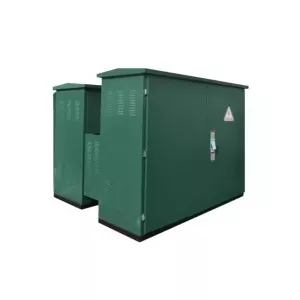
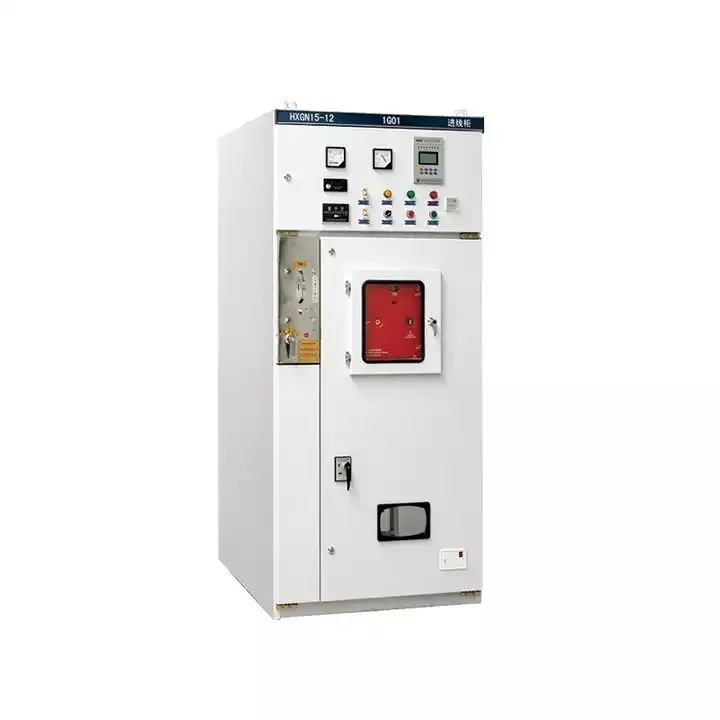
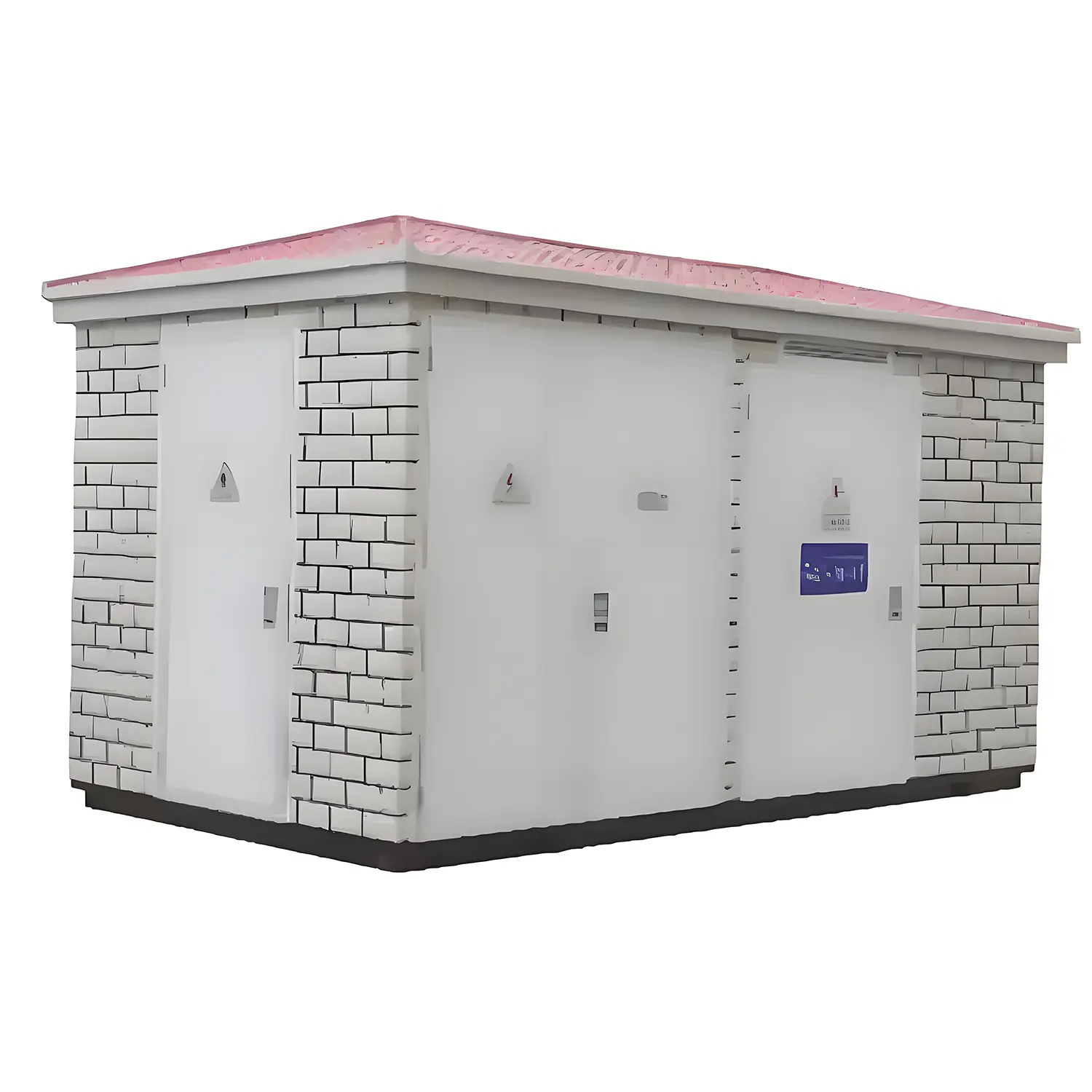
Buying a Ring Main Unit is rarely a simple specification exercise. On paper, many units appear similar, but in real projects the differences show up in installation flexibility, safety protection, maintenance demands, operational continuity, and long-term cost control.
When I look at how buyers choose power distribution equipment today, I notice that the discussion has changed. People are no longer satisfied with a simple promise that a substation is compact, durable, or easy to install.
Choosing an Oil Immersed Transformer is rarely just about voltage conversion. Buyers often worry about overheating, unstable outdoor operation, maintenance costs, insulation performance, oil leakage risks, and whether the unit can support years of dependable service without repeated downtime.
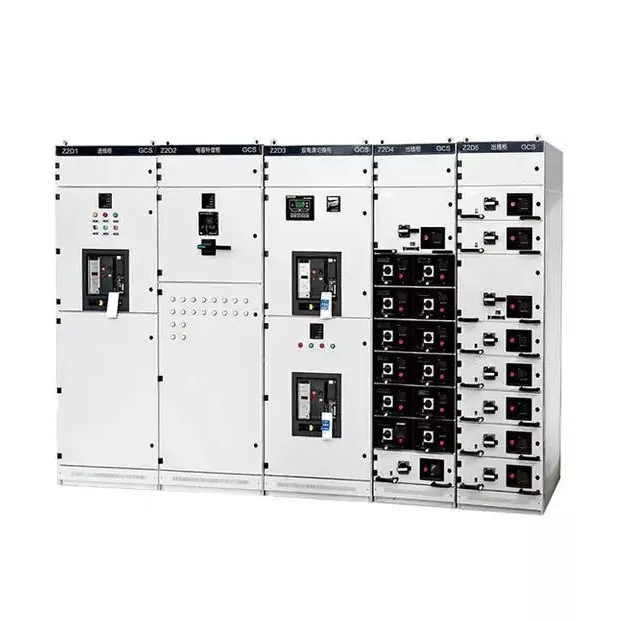
Buyers rarely struggle to understand that switchgear is important. What they struggle with is choosing the right solution for real operating conditions.
When a project team is under pressure to energize a site quickly, keep maintenance simple, and avoid wasting valuable installation space, the equipment decision becomes more than a technical purchase. It becomes an operational strategy.
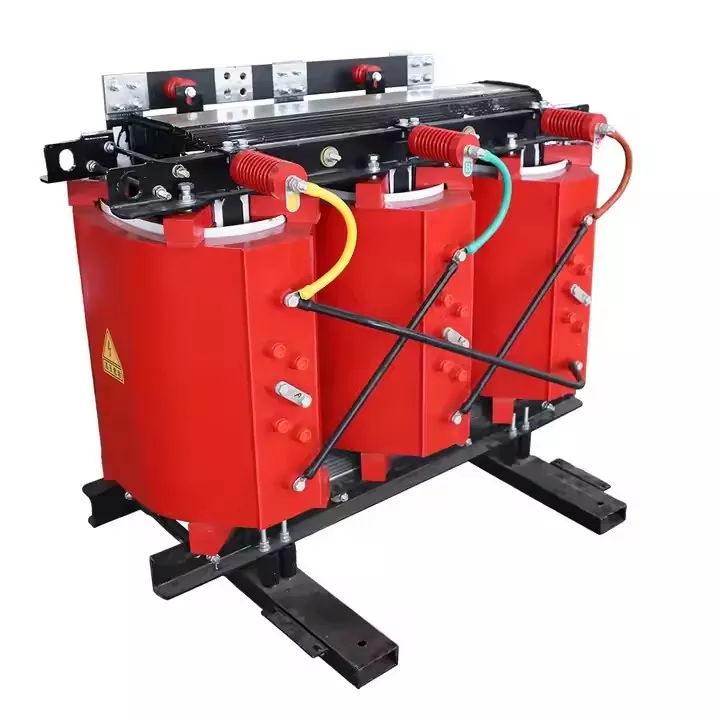
Choosing the right transformer is rarely just a technical box to tick. Buyers usually worry about fire safety, installation limits, maintenance burden, long-term energy cost, and whether the unit will remain stable under real operating pressure.
We use cookies to offer you a better browsing experience, analyze site traffic and personalize content. By using this site, you agree to our use of cookies.
Privacy Policy